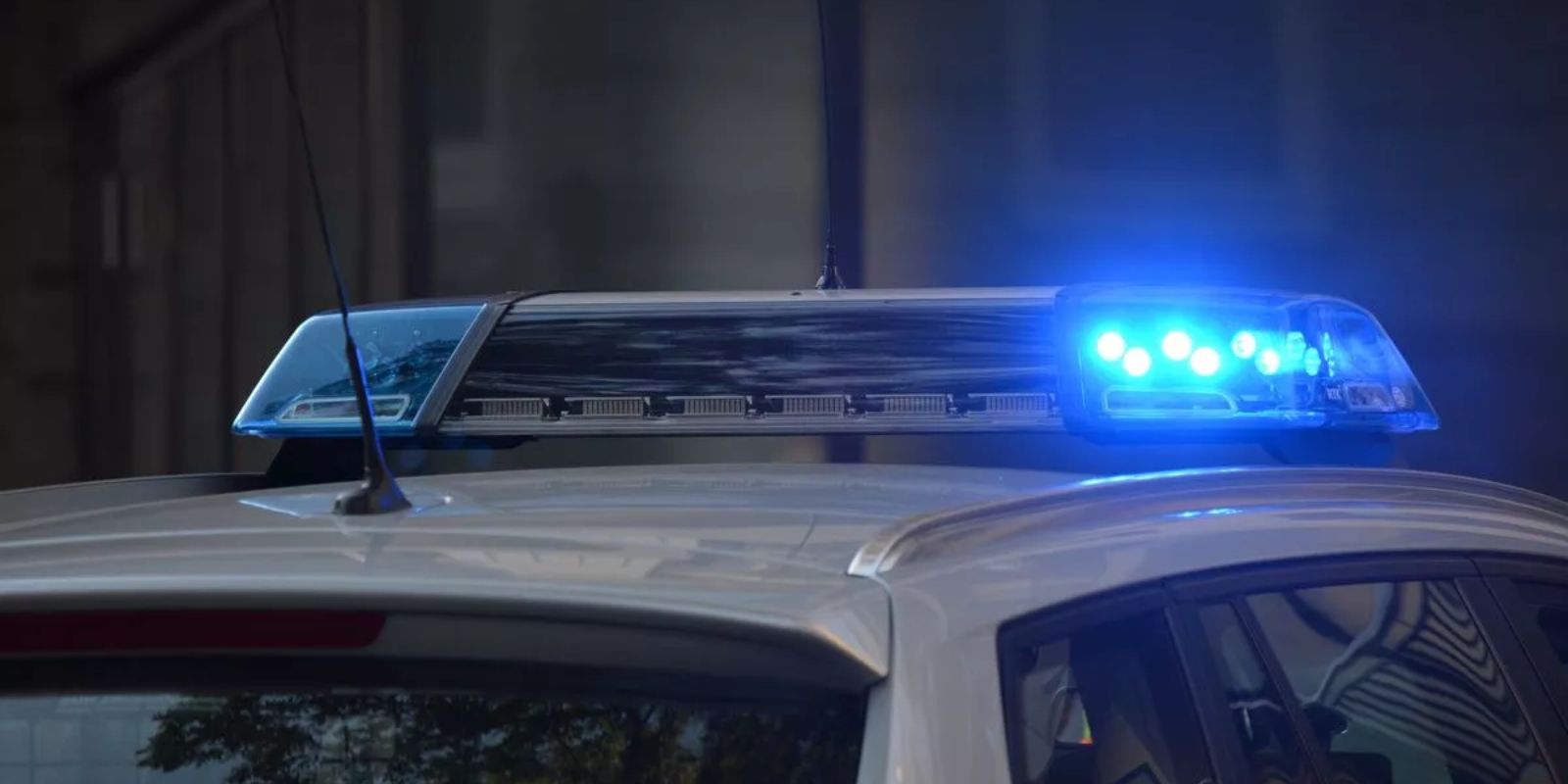
If you’ve ever pulled over on the road to let a vehicle with a blue flashing beacon pass by, you’ve probably wondered which vehicle uses a blue flashing beacon and why? These beacons aren’t just for show—they carry legal & safety implications that every road user should understand.
Table of Contents
In this article brought to you by Content Corner, your go-to platform for all up-to-date information, we break down the exact types of vehicles that use blue flashing lights, the rules surrounding their use, and how you should respond when you see one. Follow us on Facebook for daily updates & helpful tips on topics like this.
🚨 What Does a Blue Flashing Beacon Mean?
Before diving into which vehicle uses a blue flashing beacon, it’s essential to understand what the beacon itself signifies. Blue flashing lights are universally recognized as a signal for emergency and priority vehicles. When you see one approaching, it means the vehicle has the legal right to request right-of-way from other road users.
✅ So, Which Vehicle Uses a Blue Flashing Beacon?
Let’s answer the question head-on: Which vehicle uses a blue flashing beacon?
Here is a list of vehicles typically authorized to use blue flashing beacons:
- Police Vehicles – Used during pursuits, emergencies, or to alert the public.
- Ambulances – When transporting critical patients or responding to emergencies.
- Fire Engines – Often rushing to fire-related incidents or road accidents.
- Bomb Disposal Units – Highly specialized vehicles requiring rapid access.
- Coast Guard Emergency Vehicles – In coastal areas for water-related emergencies.
- Certain Private Ambulances – Must be registered and approved by local authorities.
If you’re on the road and you spot any of the above with their blue flashing beacon activated, pull over safely and allow them to pass. Ignoring or blocking their way could lead to legal consequences.
⚖️ Are There Laws About Blue Flashing Beacons?
Yes, absolutely. The use of blue flashing beacons is strictly regulated. Only authorized emergency services and certain government agencies are legally permitted to use them. Unauthorized use is not only illegal but can also cause confusion and endanger lives.
❌ What Vehicles Cannot Use Blue Flashing Beacons?
While it’s clear which vehicle uses a blue flashing beacon legally, many people mistake certain others. For example:
- Tow trucks
- Highway maintenance vehicles
- Utility service vans
These vehicles use amber or yellow lights, not blue, and they do not have the same road priority as emergency vehicles.
🚗 How Should You React When You See a Blue Flashing Beacon?
Now that you know which vehicle uses a blue flashing beacon, here’s how to respond:
- Stay Calm: Don’t panic or slam on your brakes.
- Check Your Surroundings: Ensure it’s safe before pulling over.
- Move Left and Stop: Let the vehicle pass as quickly and safely as possible.
- Do Not Block Junctions or Bus Lanes: Keep clear for easier passage.
📌 Why It’s Important to Know This
Understanding which vehicle uses a blue flashing beacon isn’t just about being road-smart—it’s a matter of public safety. Emergency services rely on your cooperation to respond quickly & efficiently.
📰 Stay Updated With Content Corner
At Content Corner, we deliver the most accurate and up-to-date information on all topics that matter to you—from road safety tips to health, education & tech.
Follow us on Facebook for daily updates, and never miss a beat of what’s happening around you.
💬 Want to Start Your Own Blog?
At Content Corner, we don’t just give you the facts—we help you share your own.
We offer affordable blogging services for individuals and small businesses. Whether you want a personal blog or a full content strategy, we’ve got your back.
👉 Contact us now on WhatsApp for more information and packages tailored to your needs!
Final Thought
Now you know which vehicle uses a blue flashing beacon and why. These lights aren’t just for decoration—they’re a lifeline for emergency responders & the people they serve. The next time you hear the siren and see that blue light flashing in your mirror, you’ll know exactly what to do—and why it matters.