Introduction: The BBC Computer Revolution
When you hear “BBC,” you probably think of British broadcasts. But for those who grew up in the 1980s, BBC computers means iconic – BBC Micro Computer System. Designed to promote computer literacy throughout the UK, it became a symbol of small machine innovation. It has become a primary participant in shaping the method-loving world that we form today.
Table of Contents
At the content corner, we dive deep into such attractive topics so that you can be informed from history to modern trends about every corner of the Internet.
What Was the BBC Computer?
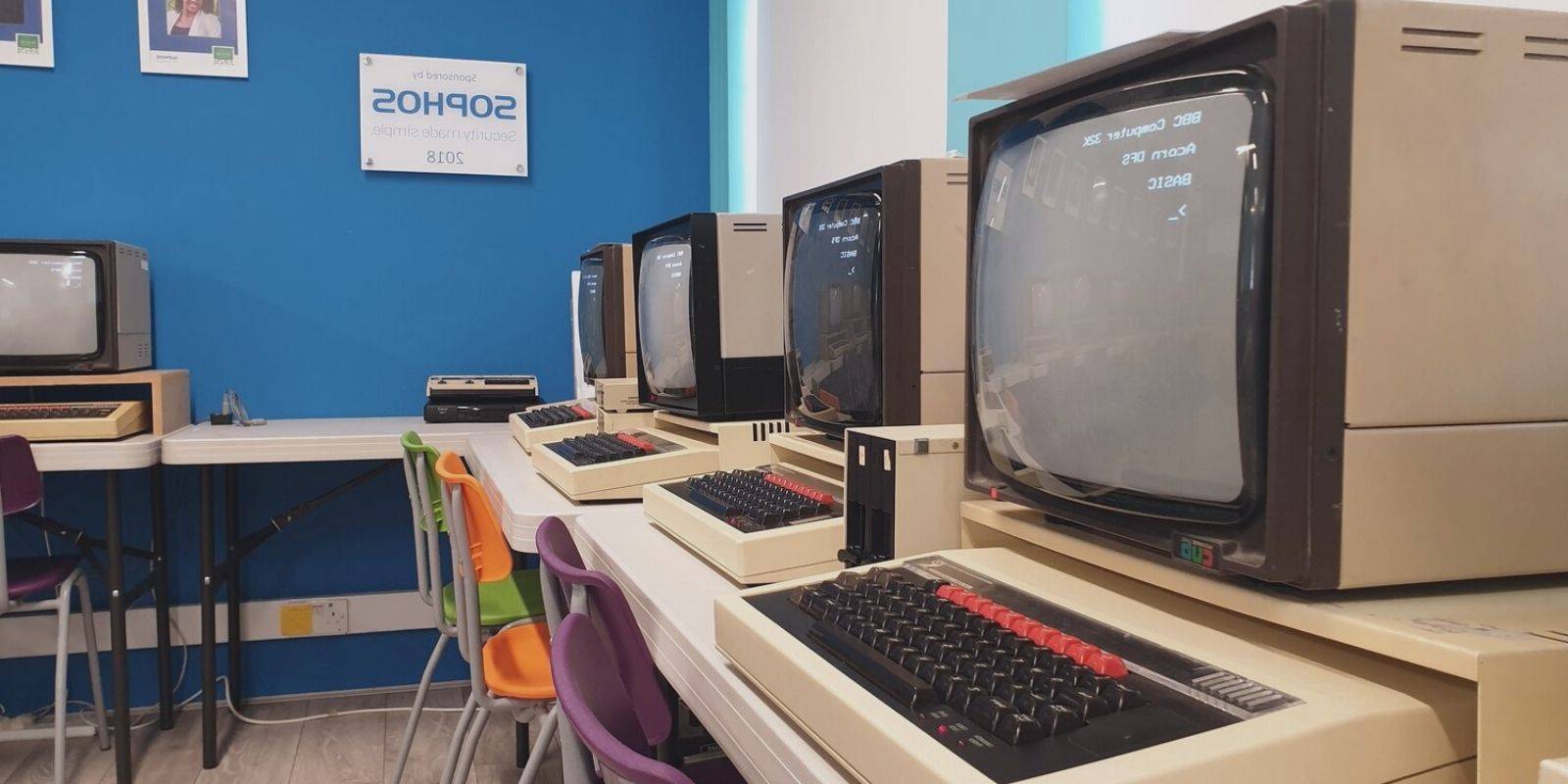
The BBC, officially known as the BBC Micro, was launched in 1981 by the acorn computer in partnership with the BBC. Objective? Support the BBC’s “Computer Literacy Project” – an ambitious plan to bring computing into British homes and schools.
Key facts about the BBC Computer:
- Manufacturer: Acorn Computers Ltd
- First Released: December 1981
- Primary Use: Education and personal computing
- Operating System: Acorn MOS
- Processor: MOS Technology 6502 running at 2 MHz
The BBC Micro wasn’t just a classroom machine — it sparked a national movement toward digital literacy, setting the UK ahead of many countries in computer education.
Why the BBC Computer Mattered
The Computer wasn’t just another piece of kit gathering dust. It played a crucial role in:
- Teaching generations to code: BBC BASIC was a simple yet powerful programming language built into the machine.
- Spurring a tech industry boom: Many of today’s biggest British tech talents took their first coding steps on a BBC.
- Innovating hardware standards: It offered features like networking and expandable memory — futuristic concepts at the time.
The BBC computer brought computers to normal British homes, making computing accessible to all, not only to scientists or businesses.
Models of the BBC Computer
Over time, many models were introduced to various requirements & budgets. Here is a quick look:

Most schools and hobbies chose model B, thanks to its greater power and flexibility.
The BBC Computer’s Legacy Today
Even today, the influence of the Computer can be felt:
- Raspberry Pi: Many of the creators behind Raspberry Pi cite the BBC Micro as inspiration. Affordable computing for learning is once again back at the heart of British innovation.
- Programming skills: The strong programming focus helped ensure Britain produced a generation of tech-savvy workers.
- Retro gaming: Enthusiasts still enjoy BBC Micro games like Elite and Repton, preserving a proud part of UK gaming history.
If you’re into retro tech, you can even find working BBC online through auctions or visit museums like The Centre for Computing History in Cambridge.
Where You Can See BBC Computers Today
For those in the UK and surrounding areas looking to relive the magic or introduce the next generation to the Computer, here’s where you can experience it:
- The National Museum of Computing (Bletchley Park)
- The Centre for Computing History (Cambridge)
- Vintage Computer Festivals and Retro Gaming Events across the UK
These places don’t just display the Computer — they allow hands-on experiences, so you can type away just like it’s 1983 again!
Final Thought
The BBC is not just a fond memory – it is the cornerstone of the proud digital history of the UK. From classrooms to living rooms, it inspired generations to dream big, code smart & innovation boulder.
At the content corner, we celebrate such mythological milestones & bring you the latest and most attractive insight into every category. Whether you are seeing the past again or searching for the future, we are here to make sure you never miss.
Stay, keep searching, and don’t forget to bookmark your Go-to Hub to search for the Internet treasures!