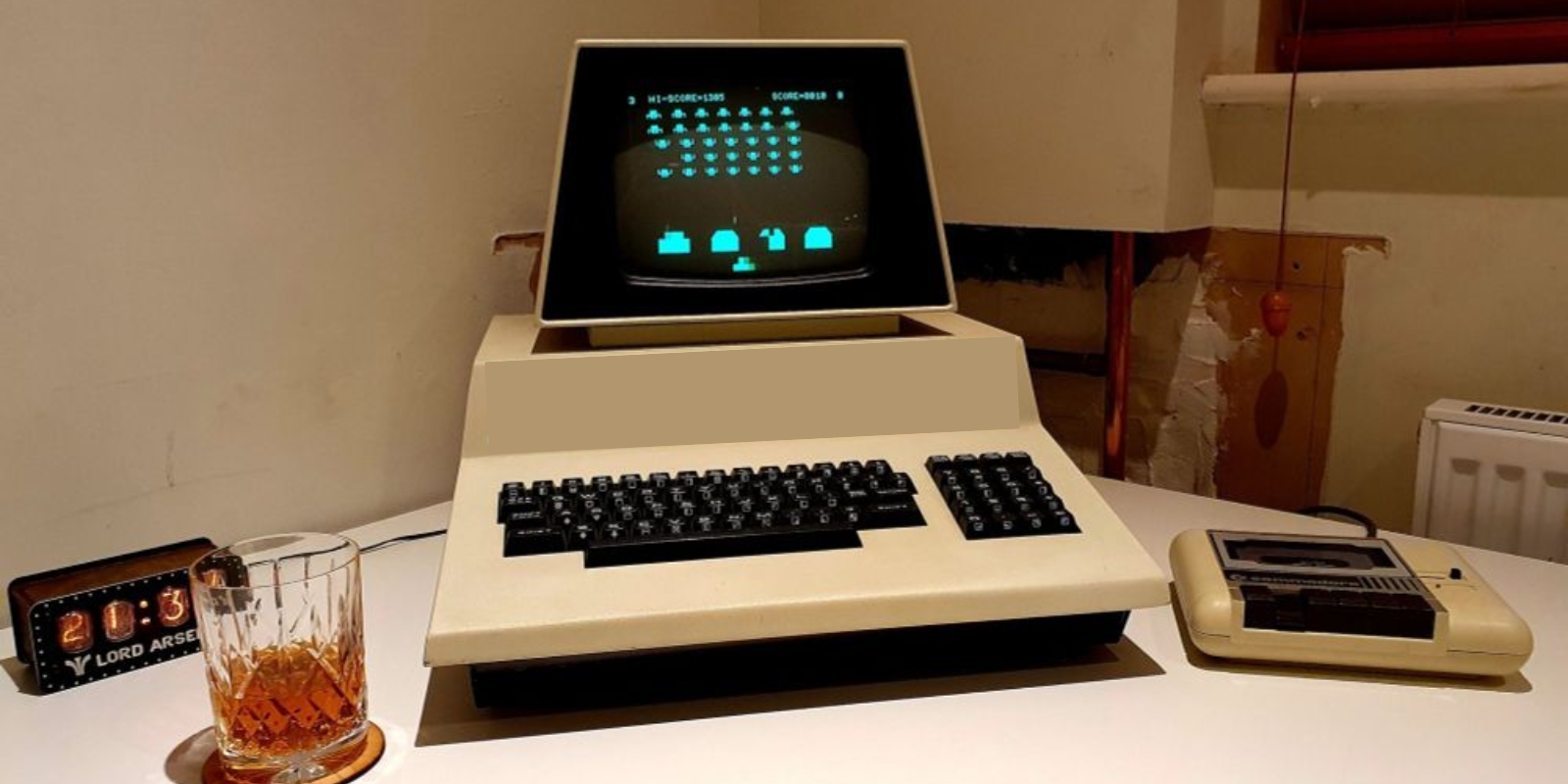
When we think about the early days of computing in the United Kingdom, the BBC Micro Computer holds a place of pride. Designed during a time when computers were mysterious & complex, this legendary machine helped an entire generation take its first steps into the digital age. Whether you were a student in the 1980s or a home user keen to understand programming, the BBC Micro was likely your first serious encounter with computing.
Table of Contents
In the content corner, we like to bring you the best insights in tech history & beyond it, so let’s put a deep dive into the BBC micro computer story, why it matters, and why its legacy still remains today.
The Birth of the BBC Micro Computer
In the late 1970s & early 1980s, computers were becoming an important part of modern life. However, most people had very little access to them and even had less understanding of how they worked. To address this, the British Broadcasting Corporation (BBC) launched a “Computer Literacy Project” to educate the People.
The BBC required a machine with its educational TV series – and where acorn computers came. After a fierce competition among various technical companies, acorn’s design was chosen. Result? BBC Micro Computer, launched in December 1981.
Features That Made the BBC Micro Computer a Legend
The BBC Micro wasn’t just another machine; it was a carefully crafted, reliable & highly functional device. Here’s what made it stand out:
- Robust Build: It was built to last, unlike many fragile computers of the time.
- Expandable Design: Users could add peripherals like disc drives, printers, and network connections.
- High-Quality Graphics and Sound: For its time, the BBC Micro offered impressive visuals and audio.
- Educational Focus: It came with built-in BASIC programming language, making it perfect for learning to code.
- Strong Support: It was heavily backed by BBC’s educational programmes and resources.
Models of the BBC Micro Computer
There were several versions released over time, catering to different needs and budgets:
- Model A: The more affordable version with 16KB RAM.
- Model B: The more popular model, with 32KB RAM and extra ports.
- BBC Master Series: Released later with enhanced memory, better performance, and more advanced features.
Each version built upon the last, ensuring the BBC Micro Computer remained a leader in education and home computing for years.
Impact on British Education and Beyond
In the 1980s, it was hard to find a British school that didn’t own at least one BBC Micro Computer. This became a stability throughout the UK, teaching millions of children the basics of computing & programming.
The skills nurtured by the BBC Micro generation directly contributed to Britain’s strong tech sector today. Many of the UK’s leading software engineers, game developers & IT professionals took their first coding steps on a BBC Micro.
Fun Facts About the BBC Micro Computer
Here are some lesser-known but fascinating facts about this iconic machine:
- It Powered Early Internet Experiments: The BBC Micro was involved in early experiments connecting schools via computer networks.
- Elite Was Born on It: The famous space trading game “Elite” was first developed for the BBC Micro.
- It Inspired the Raspberry Pi: The founders of the Raspberry Pi Foundation often cite the BBC Micro as their inspiration.
Why the BBC Micro Computer Still Matters Today
Despite being over 40 years old, the BBC Micro Computer remains a celebrated piece of tech history in the United Kingdom (UK). Its legacy can be seen today in initiatives that prefer coding among young people, such as the BBC micro:bit project.
Collectors, tech enthusiasts & educators still admire the BBC Micro for its role in democratising technology access.
Where to Learn More and Stay Updated
If you are interested in learning more about historical computers, modern technical trends, or simply information about everything happening in the world of technology, be sure to visit the content corner.
We are emotional about providing the latest information in each category available on the Internet, with our UK audience and focus on giving them the content.
At Content Corner, whether it’s the latest in tech, history, education, or lifestyle, we’ve got you covered. Your next favourite read is just a click away.
Final Thoughts
The BBC micro computer is just more than an indifferent residue; It is a testament to how thoughtful public initiative can spark generations of innovation. Whether you had the pleasure of using one at school or you’re just discovering its story today, its importance to the UK’s technological journey cannot be overstated.
And remember, for more inspiring tech stories, historical deep-dives & the freshest updates, keep coming back to Content Corner, your trusted source for all things new, now, and next!
What is the BBC Micro Computer?
The BBC Micro Computer is a legendary British computer launched in 1981 to support the BBC’s Computer Literacy Project & help the public understand computing.
Who created the BBC Micro Computer?
The BBC Micro was designed and manufactured by Acorn Computers after winning a BBC competition for an educational computer.
Why was the BBC Micro Computer important?
It introduced an entire generation in the UK to computing & programming, especially in schools, helping to build Britain’s future tech sector.
What were the different models of the BBC Micro Computer?
Key models included Model A (16KB RAM), Model B (32KB RAM with extra ports), and the BBC Master Series with improved memory and performance.
What famous software was developed for the BBC Micro?
The iconic space trading game Elite was first developed and launched on the BBC Micro.